Understanding US Animal Welfare Laws
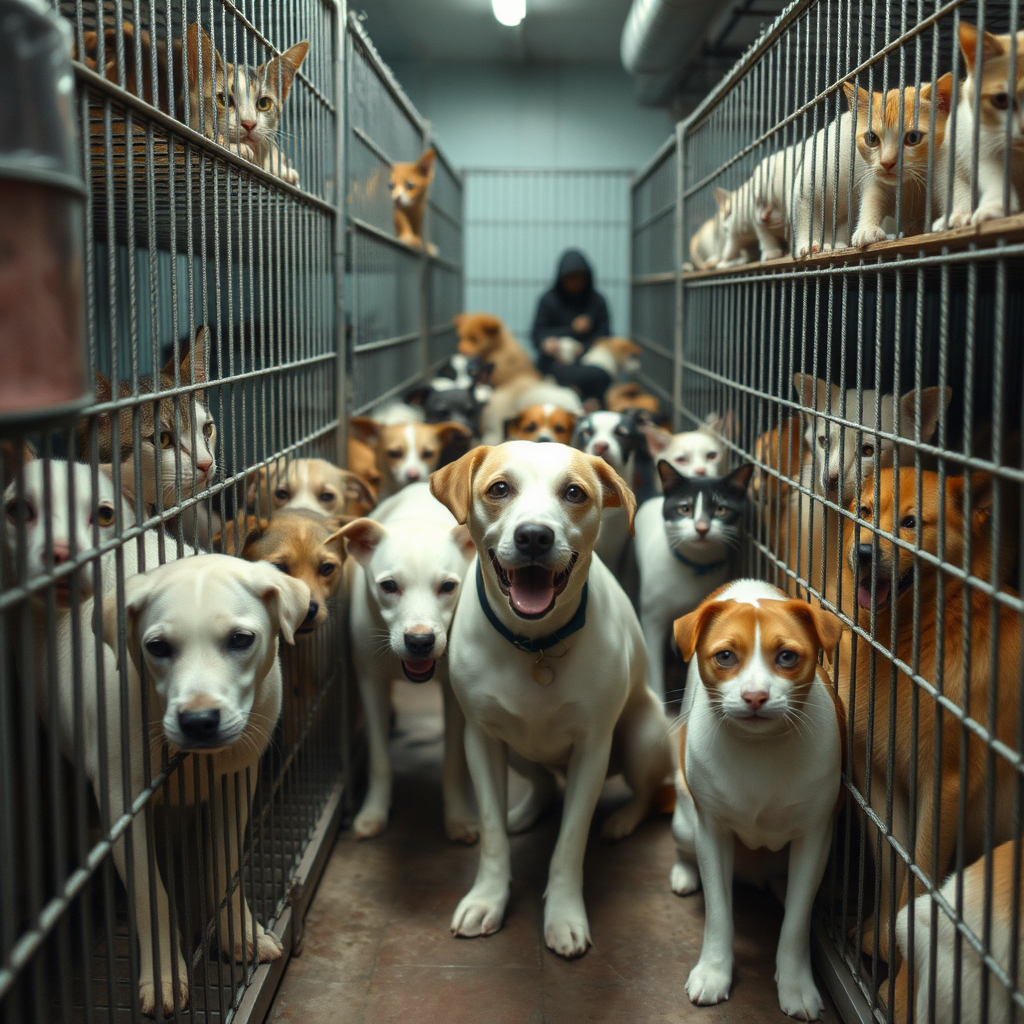
Animal welfare is a topic that touches many hearts and minds. As someone deeply invested in the ethical treatment of animals, I find it essential to understand the laws that protect them in the United States. These laws shape how animals are cared for, how they are treated in various industries, and how violations are addressed. In this post, I will walk you through the key aspects of US animal welfare laws, explain their significance, and offer practical insights for those who want to support or engage with animal welfare efforts responsibly.
What Are US Animal Welfare Laws?
US animal welfare laws are a collection of federal and state regulations designed to ensure the humane treatment of animals. These laws cover a wide range of animals, including pets, farm animals, research animals, and wildlife. The goal is to prevent cruelty, neglect, and exploitation while promoting proper care and treatment.
One of the most important federal laws is the Animal Welfare Act (AWA), which was first passed in 1966. The AWA sets minimum standards for the treatment of animals in research facilities, commercial breeding operations, and animal exhibitors. It requires proper housing, handling, sanitation, nutrition, and veterinary care.
Other significant laws include the Humane Slaughter Act, which mandates humane methods for slaughtering livestock, and the Endangered Species Act, which protects animals at risk of extinction. Additionally, many states have their own laws that may be stricter or more specific than federal regulations.
Understanding these laws helps us recognize the legal framework that supports animal welfare and highlights areas where improvements are still needed.

Key Provisions in US Animal Welfare Laws
The US animal welfare laws contain several key provisions that directly impact how animals are treated. Here are some of the most important ones:
Licensing and Registration: Facilities that breed, exhibit, or sell animals often need to be licensed or registered with the United States Department of Agriculture (USDA). This ensures they meet specific standards.
Inspection and Enforcement: The USDA conducts regular inspections to verify compliance. Violations can lead to fines, license revocation, or even criminal charges.
Standards of Care: Laws specify requirements for adequate food, water, shelter, and veterinary care. For example, animals must have enough space to move freely and be protected from extreme weather.
Prohibition of Animal Fighting: Federal laws prohibit organizing or attending animal fighting events, such as dogfighting or cockfighting, which are considered cruel and illegal.
Transport Regulations: Animals transported for commercial purposes must be handled humanely, with limits on travel time and conditions to reduce stress and injury.
These provisions form the backbone of animal welfare enforcement in the US. They create accountability and help protect animals from mistreatment.
How US Animal Welfare Laws Affect Animal Rescue and Advocacy
Animal rescue organizations and advocates play a vital role in enforcing and complementing these laws. They often work on the front lines, rescuing animals from abusive situations and advocating for stronger protections.
For example, rescue groups may collaborate with law enforcement to investigate cases of neglect or cruelty. They also educate the public about responsible pet ownership and the importance of spaying and neutering to reduce overpopulation.
Understanding the legal landscape helps these organizations operate effectively and ethically. It also empowers donors and supporters to make informed decisions about where to contribute their resources.
If you want a concise overview, you can find a helpful us animal welfare law summary that outlines the main federal laws and their applications.

Challenges and Gaps in US Animal Welfare Laws
While US animal welfare laws provide important protections, they are not without challenges. Some of the gaps and issues include:
Limited Scope: The Animal Welfare Act does not cover all animals. For example, farm animals used for food are often excluded from many protections.
Enforcement Limitations: Inspections and enforcement can be inconsistent due to limited resources and staffing.
Variability Across States: State laws vary widely, creating a patchwork of protections that can confuse the public and complicate enforcement.
Loopholes and Exceptions: Certain industries or activities may have exemptions that reduce the effectiveness of protections.
Lack of Public Awareness: Many people are unaware of the laws or how to report violations, which can delay intervention.
Addressing these challenges requires ongoing advocacy, education, and policy reform. Supporting organizations that promote transparency and accountability in animal rescue and welfare is one way to contribute to positive change.
Practical Steps to Support Animal Welfare Within the Legal Framework
If you want to make a difference, here are some practical steps you can take:
Educate Yourself and Others: Learn about the laws and share accurate information with your community.
Support Transparent Organizations: Donate to or volunteer with rescue groups that demonstrate ethical practices and accountability.
Report Suspected Abuse: Know how to contact local authorities or animal control if you witness cruelty or neglect.
Advocate for Stronger Laws: Engage with policymakers to push for improved protections and better enforcement.
Promote Responsible Pet Ownership: Encourage spaying, neutering, proper nutrition, and regular veterinary care.
Stay Informed About Legislative Changes: Animal welfare laws can evolve, so staying updated helps you respond effectively.
By taking these steps, you contribute to a future where animals receive the care and respect they deserve.
Moving Forward with Animal Welfare Integrity
The landscape of animal welfare in the US is complex but full of potential. Laws provide a foundation, but real progress depends on the collective efforts of individuals, organizations, and communities. Transparency and accountability are key to ensuring that resources are used responsibly and that animals are protected.
The Animal Rescue Integrity Project exemplifies this approach by promoting ethical standards and fostering trust between donors and rescue organizations. Together, we can work toward a future where every animal is treated with kindness and dignity.
Understanding US animal welfare laws is the first step in this journey. With knowledge and action, we can help create a more compassionate world for all creatures.
Thank you for joining me in exploring this important topic. If you want to learn more or get involved, consider reaching out to local animal welfare groups or visiting official resources for the latest information. Every effort counts.


Comments