The Reality Behind Animal Welfare Organizations: A Call for Transparency
- Animal Rescue Integrity Project
- Jan 26
- 3 min read
Updated: Feb 9
Animal welfare organizations often present themselves as heroes in the fight against animal suffering. They share frequent emergency appeals, highlight high intake numbers as lifesaving achievements, and use emotional storytelling to connect with the public. Criticism is often dismissed as being "anti-rescue," creating a protective shield around their image. But behind this public facade, a different reality exists—one that raises serious questions about the treatment of animals, the wellbeing of staff and volunteers, and the transparency owed to donors.
What the Public Sees: Lifesaving Success and Emotional Appeals
Animal welfare groups rely heavily on public support. Their messaging focuses on urgent rescues, dramatic stories of suffering animals, and the promise of a better life through their intervention. This approach works well to:
Encourage donations by appealing to emotions
Showcase impact through numbers of animals saved
Build a loyal supporter base by framing criticism as harmful to the cause
For many donors, these stories create a sense of trust and hope. They believe their contributions directly save lives and improve animal welfare. The frequent emergency appeals reinforce the urgency and importance of the organization’s work.
The Internal Reality: Prolonged Confinement and Minimal Enrichment
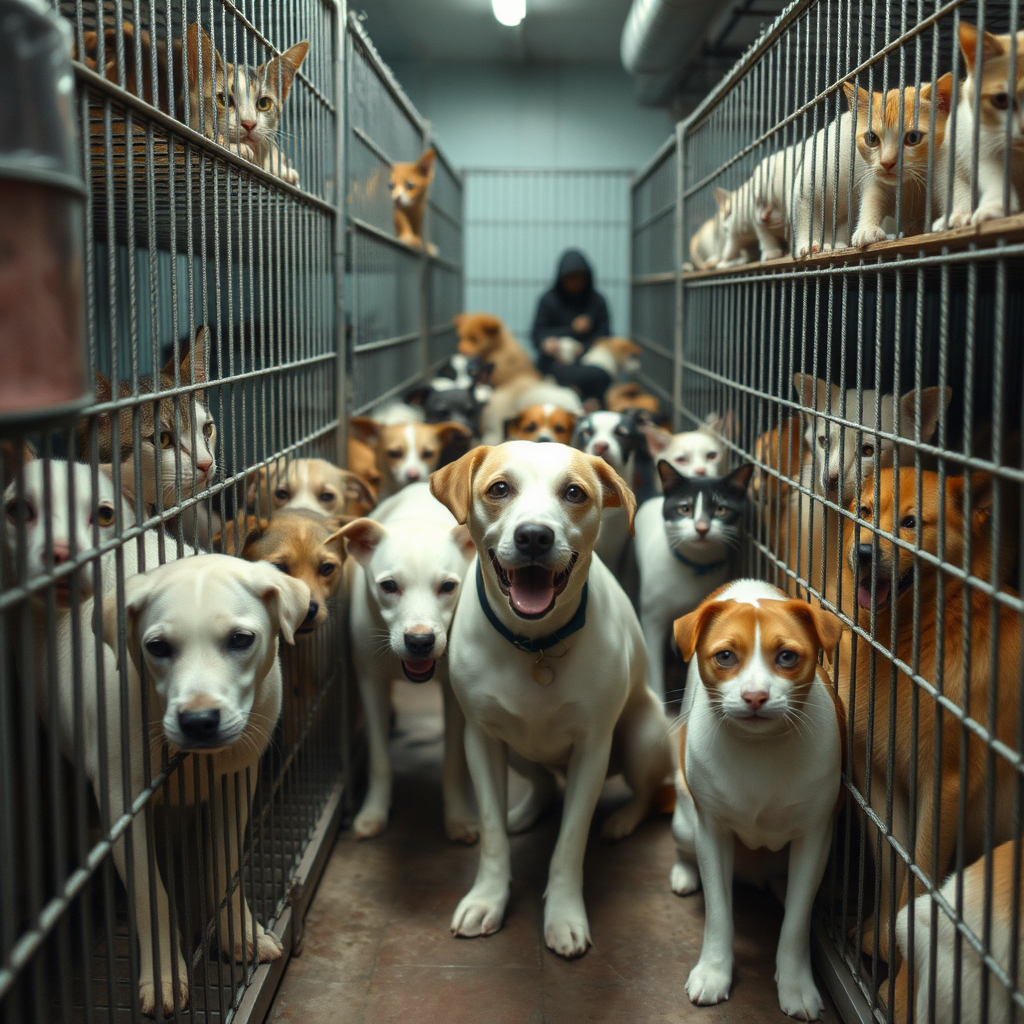
Despite the public image, many animal welfare organizations struggle with overcrowding and limited resources. Animals often remain confined for months or longer in conditions that provide minimal mental or physical stimulation. This can lead to:
Stress and behavioral issues in animals
Reduced quality of life despite being "rescued"
Questionable welfare standards that contradict the organization's mission
For example, some shelters report animals spending the majority of their time in small cages or kennels without access to adequate exercise or social interaction. This confinement can cause long-term harm, undermining the very goal of rescue.
Staff and Volunteer Experiences: Control Through Retaliation
Another troubling aspect is the internal culture within some organizations. Staff and volunteers who raise concerns about animal care or organizational practices may face retaliation. This can take the form of:
Dismissal or demotion
Exclusion from decision-making
Emotional or verbal abuse
Such control mechanisms discourage transparency and open dialogue. They create an environment where problems are hidden rather than addressed, and where the welfare of animals and people alike suffers.
Donor Expectations: The Need for Transparency and Accountability
Donors contribute with the expectation that their money supports ethical and effective animal care. Yet, many are unaware of the internal challenges and conditions that exist behind the scenes. Transparency is essential to:
Build trust between organizations and supporters
Ensure funds are used responsibly
Encourage informed giving
Organizations that fail to provide clear information risk losing credibility and support. Donors deserve honest updates about both successes and challenges.
Examples Highlighting the Gap Between Image and Reality
Several investigative reports and whistleblower accounts have revealed these issues in well-known animal welfare groups. For instance:
A shelter in the United States was found to keep dogs in cramped cages for months, despite public claims of high adoption rates.
Volunteers at a rescue center reported being silenced after raising concerns about animal neglect and staff mistreatment.
Donors discovered that a significant portion of funds raised during emergency appeals was spent on administrative costs rather than direct animal care.
These examples show the importance of critical scrutiny and the need for reforms within the sector.
Moving Toward Better Practices
Addressing these systemic issues requires commitment from all stakeholders:
Organizations should implement regular welfare audits and improve enrichment programs for animals.
Leadership must foster a culture of openness where staff and volunteers can speak up without fear.
Donors can ask for detailed reports and support groups that prioritize transparency.
The public should seek balanced information and hold organizations accountable.
By working together, the animal welfare community can ensure that rescue efforts truly benefit animals and maintain ethical standards.
The Path Forward: Building a Better Future for Animals
As we look to the future, it is crucial to recognize the need for change within animal welfare organizations. We must advocate for a system that prioritizes the wellbeing of animals, staff, and volunteers alike. This means demanding accountability and transparency from organizations that rely on our support.
In this journey, we can all play a role. We can choose to support organizations that demonstrate a commitment to ethical practices. We can engage in conversations about animal welfare and share our insights with others. Together, we can create a movement that not only saves lives but also ensures that every animal is treated with the dignity and respect they deserve.
Ultimately, the goal is to transform the animal rescue landscape. By promoting transparency and accountability, we can work towards a future where all animals are treated ethically and donors' contributions are used responsibly across the United States.
Let’s make our voices heard and advocate for change. Together, we can ensure that the stories we hear about animal welfare are not just emotional appeals, but reflections of a reality where every animal thrives.


Comments